
Hydrate Your Human Hydraulics: Tips on Keeping You and Your Workforce Cool
July 11, 2023
Ever Wonder Where Hydraulics Came From? Here are Heavy Machinery’s Heavy Hitters.
September 19, 2023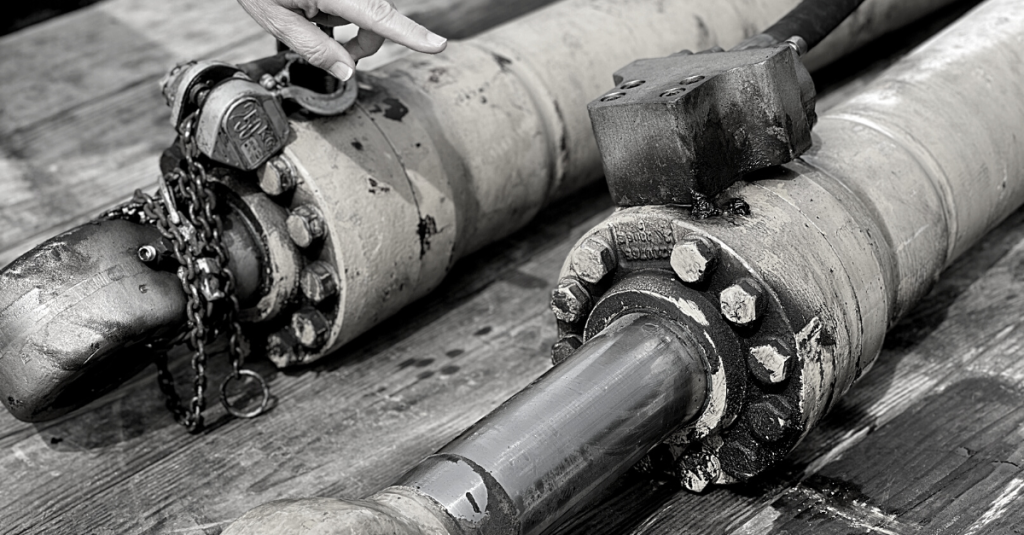
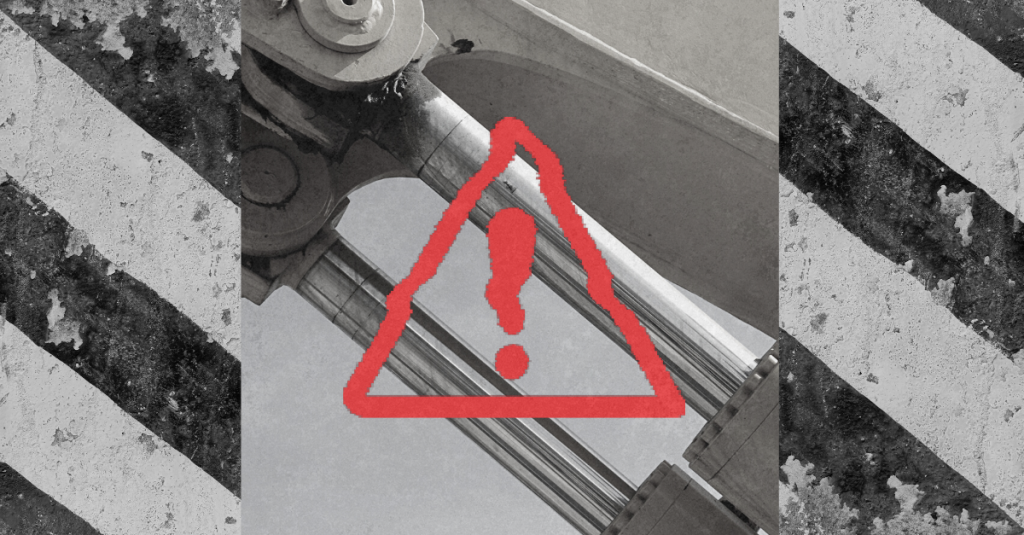
Danger Ahead:
Five Clues That Let You Know Your Hydraulics Are About to Fail.
Hydraulic systems are the powerhouse of nearly every industry, driving heavy machinery and equipment with precision and power. However, like any complex mechanical system, hydraulic systems are not immune to issues that can disrupt operations and lead to costly downtime. Look for these five tip-offs that let you know your hydraulics are not functioning at 100% efficiency.
Fluid Leaks: The Silent Culprit
Fluid leaks are a pervasive challenge in hydraulic systems, often causing reduced efficiency and potential safety hazards. Leaks can occur due to worn seals, damaged hoses, or loose fittings. We recommend performing regular visual inspections to detect leaks early. Don’t ignore a leak. Replace worn-out seals and damaged hoses promptly, ensuring all fittings are properly tightened. Utilizing high-quality seals and hoses can also prevent leaks from recurring.
Cylinder Drift: The Unwanted Movement
Cylinder drift is a phenomenon where hydraulic cylinders slowly and uncontrollably move under load, even when the control valve is in the neutral position. This issue can stem from internal leakage or improper valve adjustment. To counter cylinder drift, inspect and maintain control valves regularly. Ensure that valves are properly adjusted to prevent unintended movement. Consider replacing worn components or seeking professional hydraulic repair services if internal leakage is suspected.
Fluid Contamination: The Silent Saboteur
Contaminated hydraulic fluid can wreak havoc on a hydraulic system's components, reducing efficiency and increasing wear. Common contaminants include dirt, debris, and water. Regularly monitor fluid condition and conduct fluid analysis to identify contamination. Implement effective filtration systems and ensure proper sealing to prevent contaminants from entering the system. Regular fluid changes and adherence to recommended specifications are essential for avoiding contamination-related issues.
Overheating: A Hot Problem to Tackle
Excessive heat can degrade hydraulic fluid, seals, and other components, compromising system performance, especially in the southern heat. Overheating often results from extreme pressure, poor fluid quality, or inadequate cooling. To combat overheating, maintain proper fluid levels and quality. Install efficient cooling systems, such as heat exchangers or fans, to regulate system temperature. Additionally, monitor pressure settings to prevent overloading the system and causing overheating.
Inconsistent Operation: The Challenge of Poor Performance
Inconsistent or sluggish operation can stem from various factors, including air in the hydraulic fluid, worn-out components, or improper system design. To address this issue, ensure proper bleeding and purging of air from the system. Regularly inspect and replace worn parts, such as pumps and valves, to maintain consistent performance. If design-related issues are suspected, consult hydraulic system experts to optimize system configuration.
By understanding and addressing common hydraulic system issues, your business can enhance efficiency, reduce downtime, and extend the lifespan of your equipment.
At SSMD, we specialize in providing comprehensive hydraulic repair and maintenance services. Our team of skilled technicians is equipped to diagnose and address a wide range of hydraulic system issues, ensuring that your machinery operates at its best. Contact us today, and we’ll help you ensure your hydraulics are in tip-top condition.