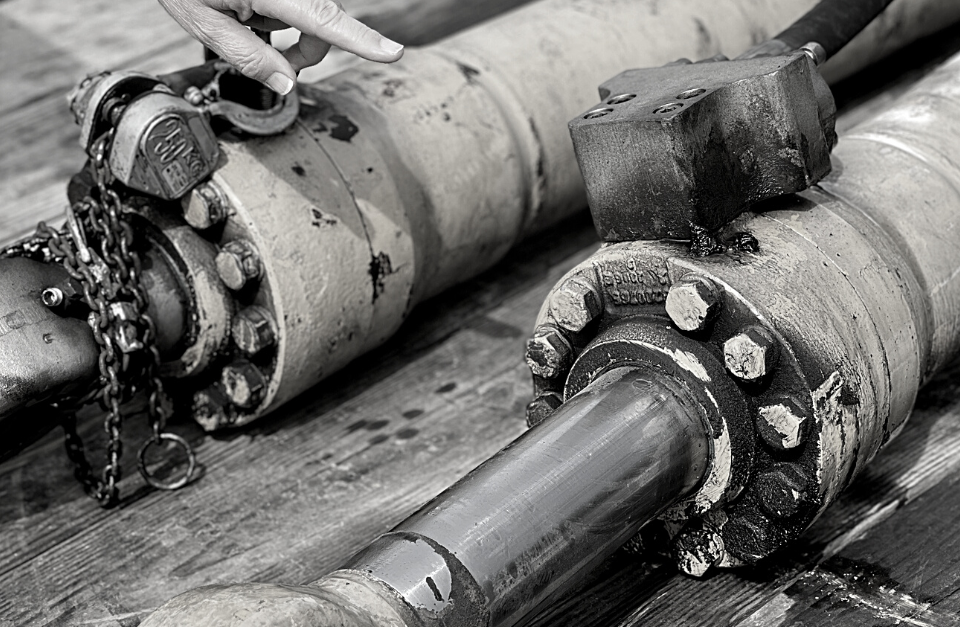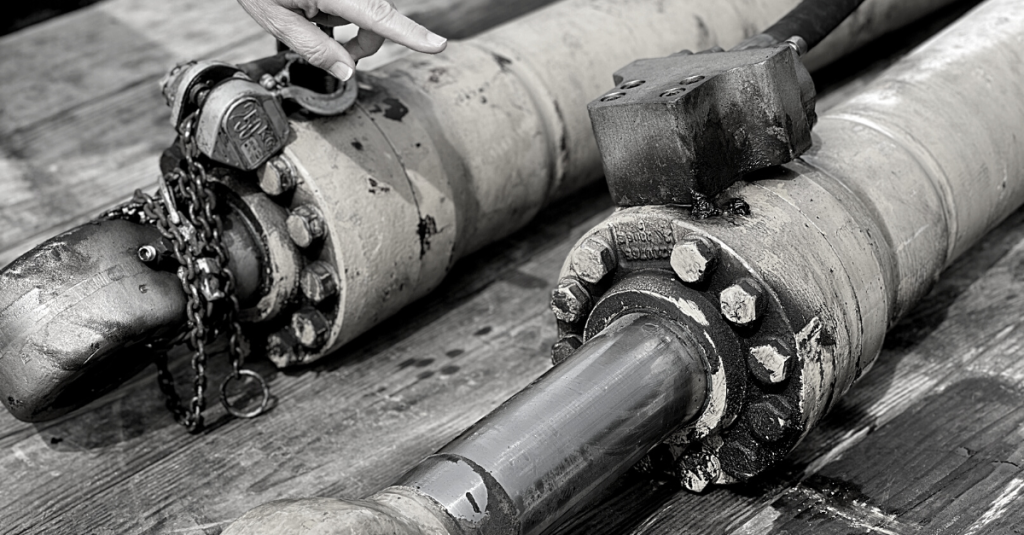

What Are Hydraulic Cylinders? A Breakdown of Your Machine’s Unsung Hero
February 14, 2023
Idle Machines are the Devil’s Plaything: How Broken Equipment Hurts Your Bottom Line
April 17, 2023
Cylinder Snafus:
How Hydraulic Cylinders Fail and What the Damages Cost You
Hydraulic cylinders might be small, but they’re responsible for the oomph behind your machinery’s heavy lifting – keeping them in peak condition is vital to contract fulfillment.
Unfortunately, hydraulic cylinder failures are common and can have dire consequences for owners. SSMD has seen plenty of these unfortunate examples, so let’s go over a few reasons for hydraulic cylinder failure and what you can do to keep your machines (and you) safe.
What Breaks?
The most common reasons for hydraulic cylinder failures are seal degradation, damaged or bent rods, improper usage of equipment, and contaminants in hydraulic fluid. Seal degradation occurs due to various reasons:
- Excessively high or low temperatures
- bad oil / no oil
- aging seals
Damaged or bent rods are usually caused by overloading the rods or banging them against hard objects.
Contaminants in hydraulic fluid – such as seal degradation, metal fragments, or water – can cause pumps, motors, and valves to fail.
Inadequate training or negligence is also a big factor in machine mishaps. Things like lifting too much weight or moving a machine incorrectly can lead to catastrophic cylinder damage.
Hurting the Wallet
When your hydraulic cylinders hurt, so does your bank account.
These money losses include the opportunity cost of idle machinery, expensive replacement cylinders, and the inability to find replacements for older or outdated equipment.
If your machinery is idle,
you’re losing potential income.
Poor hydraulic cylinder maintenance can even lead to canceled contracts or the cost of paying idle workers while they wait on repairs. These can rack up in the tens of thousands or even millions of dollars.
The Human Cost
But money is the least of your worries when it comes to cylinder failure.
Hydraulic components operate within the parameters of 3,000 - 10,000 psi – that’s a LOT of pressure. Injuries resulting from a cylinder failure can include:
- being crushed by the machine
- being crushed by the machine’s load
- having a hydraulic hose explode and hit a worker
- having rod assembly blow out of the cylinder tube and hit someone
- Being coated in hydraulic oil (dangerous if entering the eyes or mouth)
- Having oil injected into the body (rare but extremely life-threatening)
Proper cylinder maintenance is critical for protecting owners from liability and, more importantly, people from harm.
The #cylinderdocs at SSMD have you covered
At SSMD, we understand the importance of maintaining hydraulic cylinders – it’s kind of our whole deal over here.
We make sure every cylinder that comes through our doors is inspected, professionally resealed, and thoroughly tested. We document evidence of oil contamination and inform you on what to look out for in the future.