
Happy Hydraulics, Happy Holidays: A Handy Checklist for Healthy Equipment
January 4, 2023
Cylinder Snafus: How Hydraulic Cylinders Fail and What the Damages Cost You
March 14, 2023
What Are Hydraulic Cylinders?
A Breakdown of Your Machine's Unsung Hero
You know every part in your heavy equipment is vital – and you know hydraulic cylinders are one of those necessary bits.
But you might not know what hydraulic cylinders do. Hydraulic cylinders aren’t as glamorous as some other machine components, but they might be your tractor or excavator's most important part.
Let's dissect one and figure out how a hydraulic cylinder works and what it delivers to your bottom line.
The Parts
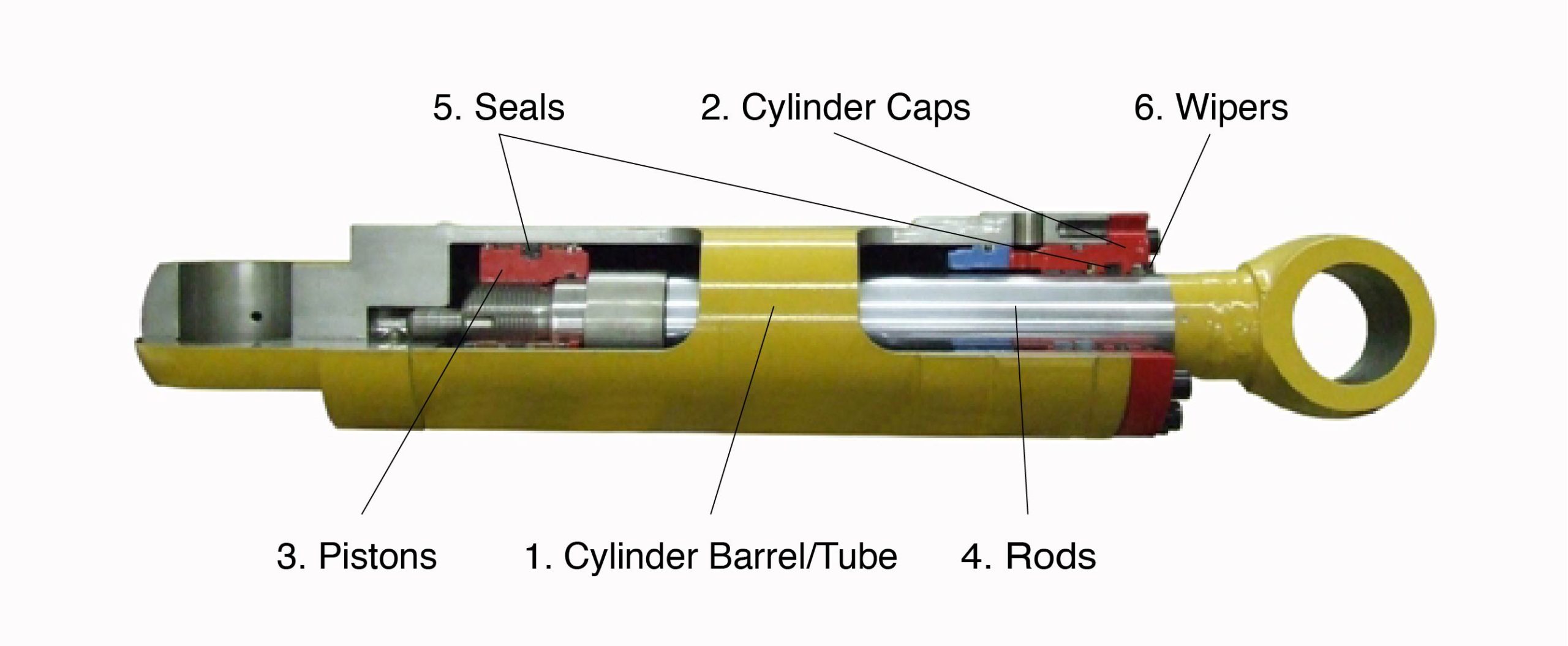
-
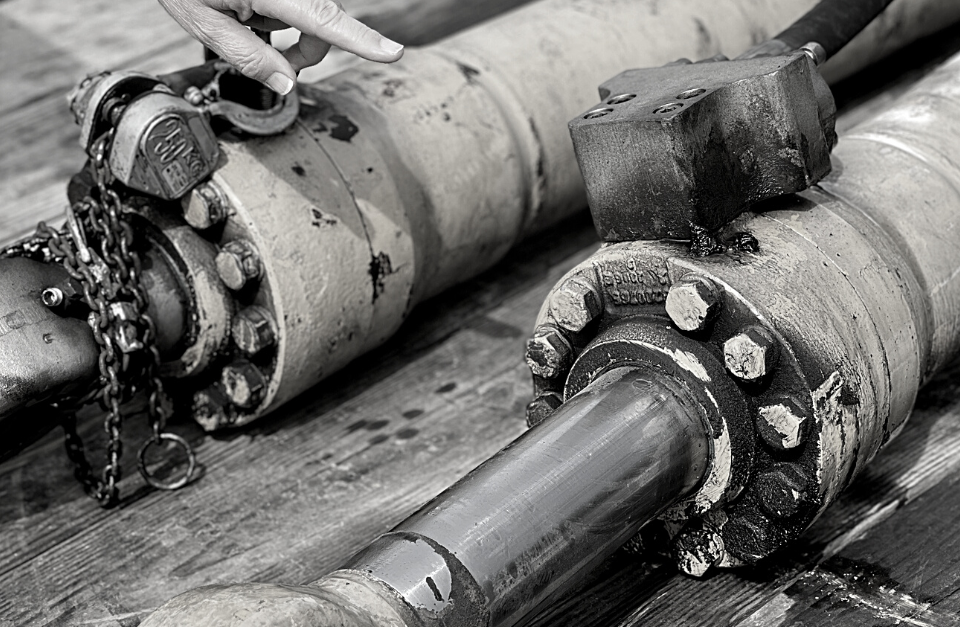
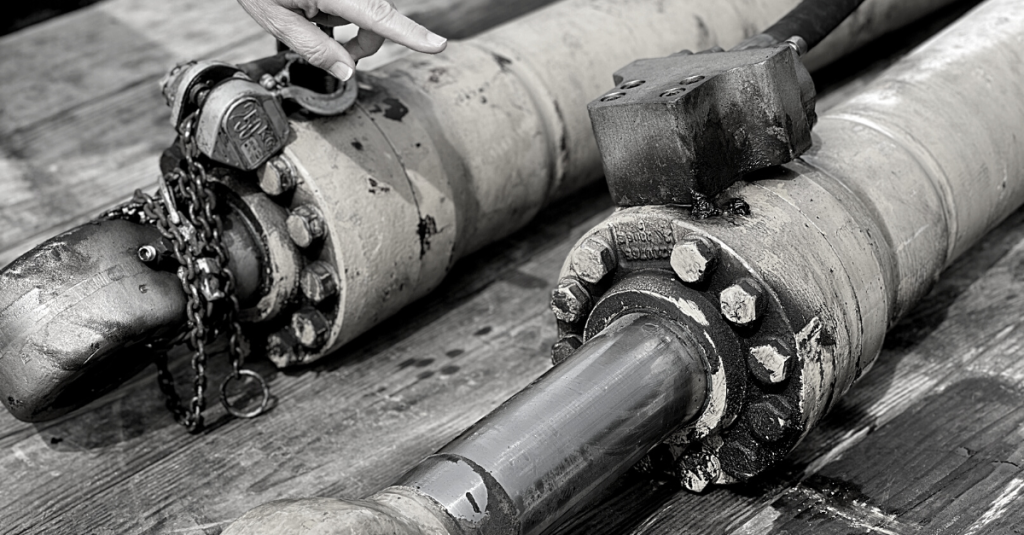
Cylinder Barrel/Tube: The barrel is the main component of a hydraulic cylinder and acts as the housing for most of the other parts. The barrel is responsible for withstanding the extreme pressures needed to make a hydraulic cylinder the tiny powerhouse it is.
-
Cylinder Caps: The caps do exactly what you think they do – cap the ends of a cylinder. Together with the seals, the caps let the rods slide through tiny openings just large enough for the rod, but not big enough for much else.
- Pistons: The piston is a single-acting hydraulic cylinder – or pair of pistons in a double-acting hydraulic cylinder – is inside the barrel. These parts draw in and push out hydraulic fluid by altering the pressure needed for whatever task your machine is tackling.
- Rods: The rod transmits force generated by the hydraulic cylinder to whatever machine part the rod is attached to. The rod’s surface has to be polished to an extreme smoothness – any imperfection can let debris slide under the wipers and contaminate the fluid within
- Seals: Seals, seal (no surprise there). Seals for the caps keep fluid from escaping the cylinder, even under extreme pressure, while seals around the pistons allow fluid to be pressurized or depressurized as needed.
- Wipers: Wipers are a special kind of seal that the rod travels through before the seal keeping the fluid and pressure inside the barrel. Its job is to keep dust and other outside contaminants from getting into the fluid. Think of it as a really important squeegee.
- Hydraulic Fluid: The hydraulic fluid gives hydraulic cylinders their pressurized power. It's usually a mixture based on either water or mineral oil. The secret is the fluid's compressibility – or actually, the lack of it. Hydraulic fluid molecules can't compress down past a certain point. In the pressurized environment of a hydraulic cylinder, the fluid acts more like a super strong solid rather than a liquid, perfect for withstanding the extremes of heavy machinery.
Get a Hydraulic Checkup
If you aren't taking care of your hydraulic cylinders, you aren't taking care of your machine.
Improperly serviced or neglected hydraulic cylinders can lead to catastrophic stress-related damages to your machines when they're doing the heavy lifting. That means expensive repairs or even operator injury.
Maintenance and quick repairs are always your best weapon against disaster. That's where SSMD comes in.
We've got decades of combined know-how when it comes to hydraulic cylinders. Give us a call and we’ll make sure that tried-and-true excavator will keep on working for years to come.