
Machines with Aching Joints
November 10, 2022
What Are Hydraulic Cylinders? A Breakdown of Your Machine’s Unsung Hero
February 14, 2023
The holiday season is here – that means it’s time for a well-earned break. But it also means you’ll be away from your equipment for a while, and equipment loves breaking down right when it’s time to go away for a bit.
Before you start wrapping presents and eating Christmas cookies, take a look at our list of last-minute equipment checkups so you can enjoy your holiday worry free.
The To-Do’s
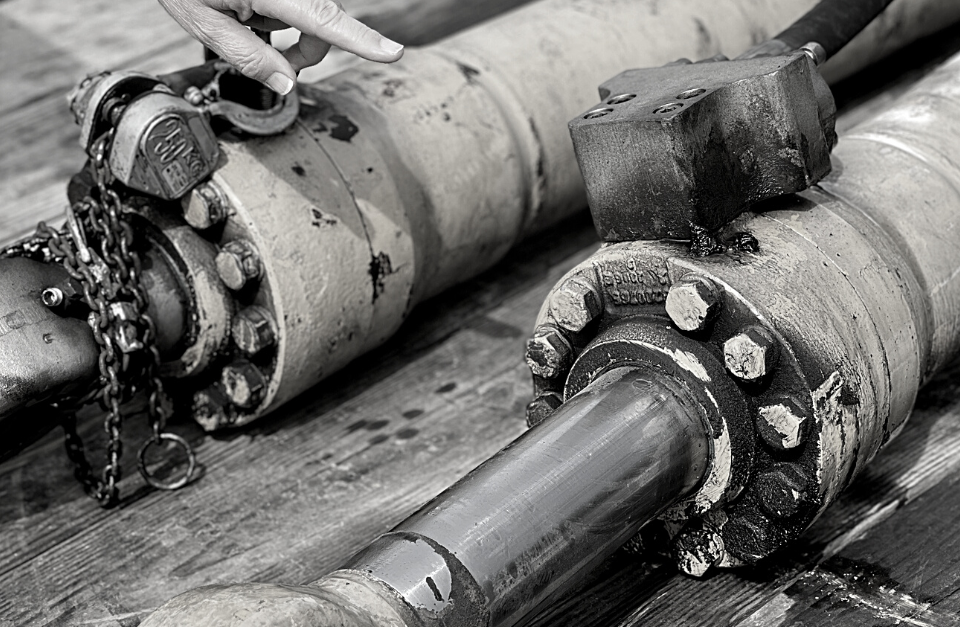
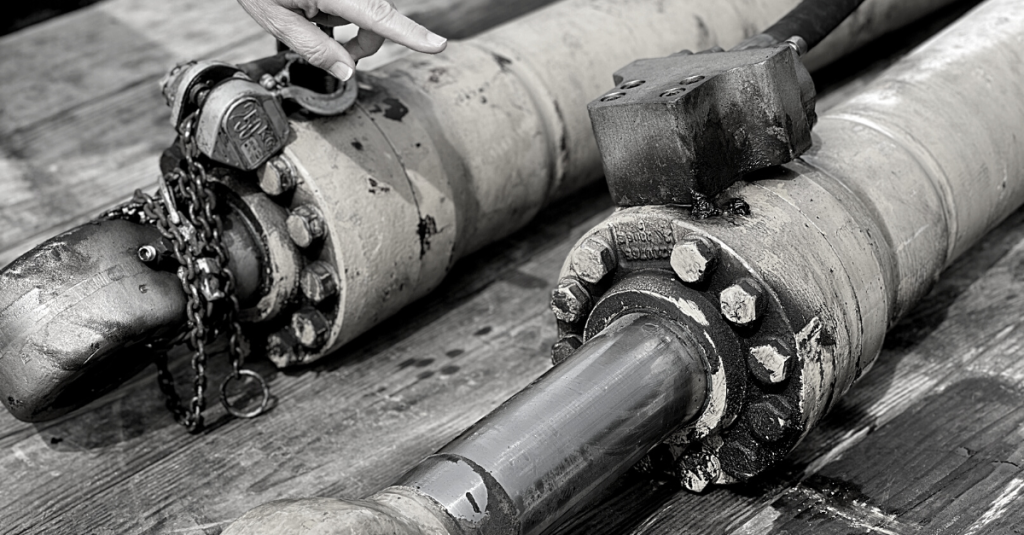
Rods: Damage to a hydraulic cylinder’s rod can lead to many issues. There’s the obvious; a catastrophic failure that causes the rod to snap and damage the cylinder, the machine, and possibly people. There are also more indirect problems like corrosion and micro imperfections that let moisture/contaminants into the hydraulic fluid.
WHAT TO DO:
Check the rods for signs of damage and weathering to avoid these issues, and store your equipment with the rods retracted to keep them out of the elements.
Seals: Seals keep the stuff you really don’t want in your hydraulic fluid out of your hydraulic fluid. Contaminants can cause sporadic pressure spikes, weakening equipment that can break under stress.
WHAT TO DO:
Check for signs of corrosion and be ready to make immediate repairs if you find any. Keeping rods stored in a retracted state can help here; damaged rods can cause friction damage to seals, so protecting one protects the other.
Filters: Hydraulic filters, well, filter. These components trap particulates before they can get into the balanced, internal components of the cylinder.
Like any other type of filter, hydraulic filters fill up and require replacing. Fortunately, they usually have some form of indicator that lets you know when it’s time for a new one.
WHAT TO DO:
Keep your eyes open for the signal and be ready to change them out in a timely fashion.
Hydraulic fluid: The hydraulic fluid is the lifeblood of the pressure system. It is vitally important to keep the fluid free of contaminants to maintain a healthy cylinder.
WHAT TO DO:
Routinely monitor hydraulic fluid for foreign elements. You’ll also want to keep the reservoir completely filled; a partially empty reservoir allows space for condensation which can cause corrosion.
Prep Now, Party After
After the presents are all opened and the New Year’s parties wrap up, you’ll be back to work – and your equipment will need to be ready as well.
Checking for problems before your break prepares your equipment for a quick startup after the break, prevents schedule setbacks, and protects you from costly equipment damage – or worse, worker injury.
If you’re ever in doubt, you can always contact SSMD for a fast, professional, affordable checkup.