
Scammers Selling Excavators
October 31, 2022
Happy Hydraulics, Happy Holidays: A Handy Checklist for Healthy Equipment
January 4, 2023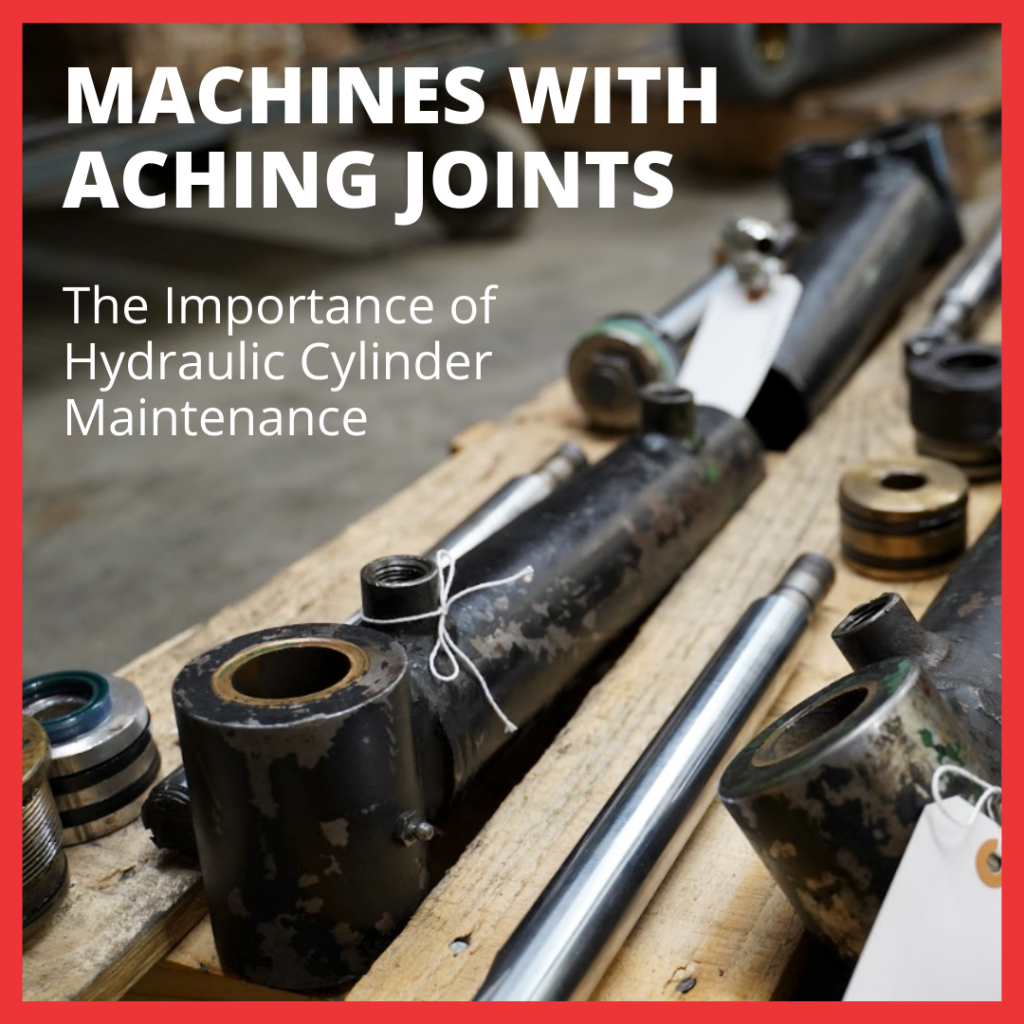
Machines with Aching Joints:
The Importance of Hydraulic Cylinder Maintenance
It's easy to forget about hydraulic cylinders in a big, fancy piece of machinery. There's so much else to focus on, right? The engine, the electrical systems, the wiring, etc.
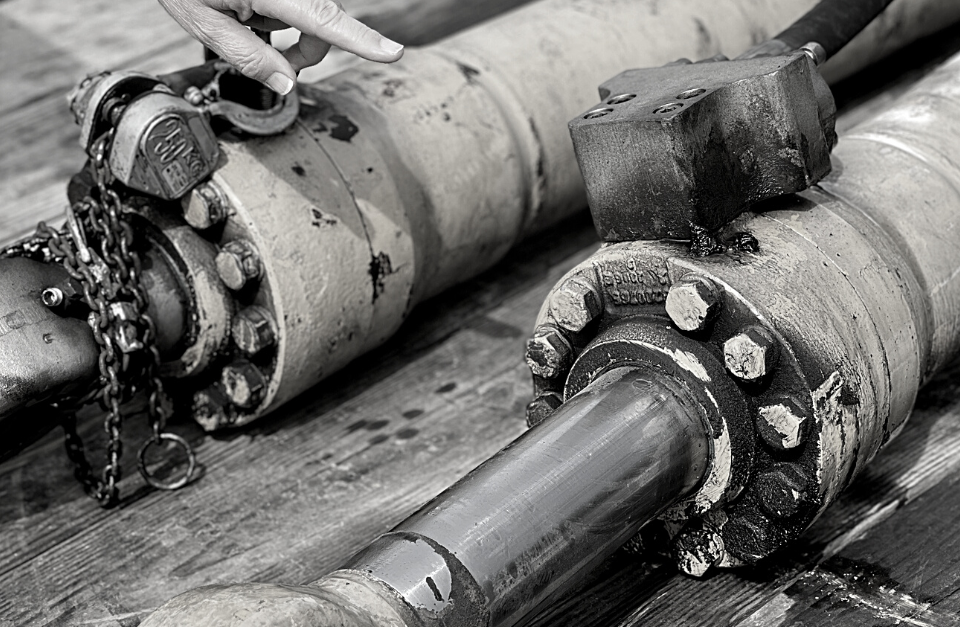
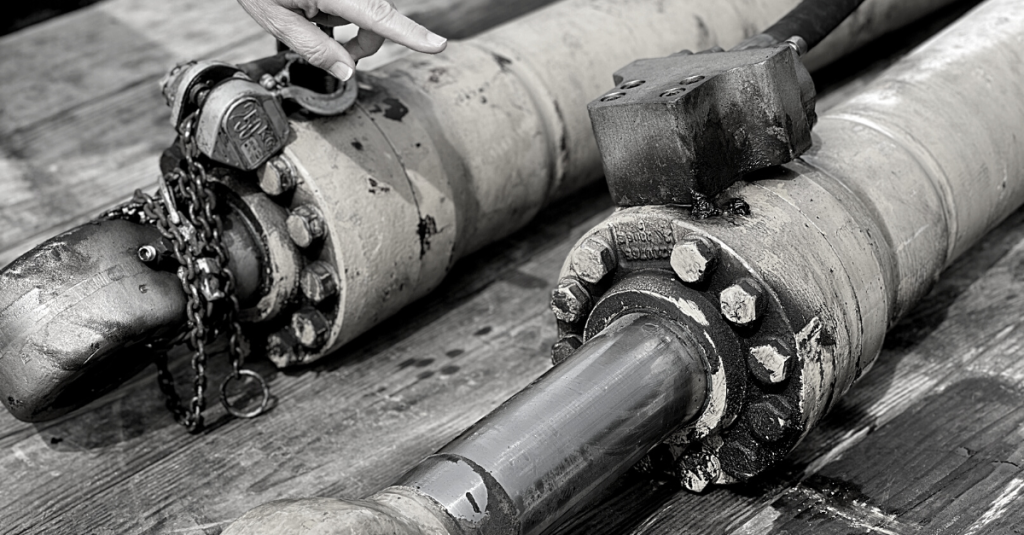
But hydraulics are what really do the heavy lifting on the job. Think of hydraulic cylinders as the muscles and joints of your body; the heart and brain are important, but it's the muscles and joints that get you places.
So hydraulic cylinder maintenance is just as vital as maintenance for any other machine component.
What Causes Issues?
There are many causes for cylinder failure. Most of these issues occur gradually, so they may be difficult to spot until it's too late. Take a close look at your cylinders and see if you can spot any of these common problems.
- Contamination: One of the most common forms of cylinder damage shows up when contaminants outside the cylinder wind up on the inside. Fluid contamination occurs when water or other liquids mix with the cylinder's hydraulic fluid, creating uneven pressure and causing the oxidation of metal components. Particles like dust and dirt can adhere to the cylinder if it is stored in an extended position, or enter broken seals and mix with hydraulic fluid. These particles cause wear through friction.
- Pressure and Stress: Hydraulic cylinders have limits. When those limits are exceeded and pressure mounts, cascade failure can occur. This can happen without warning and can lead to damaged equipment, injury, or death. Misalignment can cause slower damage. A misaligned cylinder distributes pressure unevenly, causing metal components to grind together and eventually bend the cylinder.
- Wear-and-Tear: The outdoor elements will gradually do a number on your cylinder's components. Heat can cause seals to become malformed, while low temps can affect your hydraulic fluid's viscosity. Even things as simple as pollen can hamper a cylinder's effectiveness.
How Can You Prevent Problems with Your Cylinders?
Some jobs need to be tackled by pros like SSMD, but here are some things you can do to take better care of your cylinders.
- Proper Pressure: Keep pressure regulated during operations and don't put more stress on your machine than it can handle. Operating within your machine's limits will keep hydraulic seals from damage and leakage, and prevent bending or snapping cylinders. Proper alignment also ensures pressure is distributed evenly, helping to keep your cylinder in working order for longer.
- Healthy Rotation: Sometimes work can't wait. You might be tempted to keep using a cylinder that really needs to be cleaned or realigned. But that's a trap, and it always results in a damaged cylinder and costly repairs/replacements. Fortunately, having a spare cylinder on-hand to switch to when needed keeps you working – and gives you time to clean that dirty cylinder.
- Keen Eye: A proper eye for maintenance is your best weapon against cylinder damage. Keep your equipment stored properly, keep everything clean, monitor particle filters and gauges, and manage load weights properly. Small, healthy habits add up for your body; the same can be said for little maintenance checks on your hydraulics.
Time for a Check-up
Even the best due diligence can keep machinery working for so long. You put your equipment through the wringer, so when it's time for a check-up, repair, or replacement, contact the experts at SSMD.